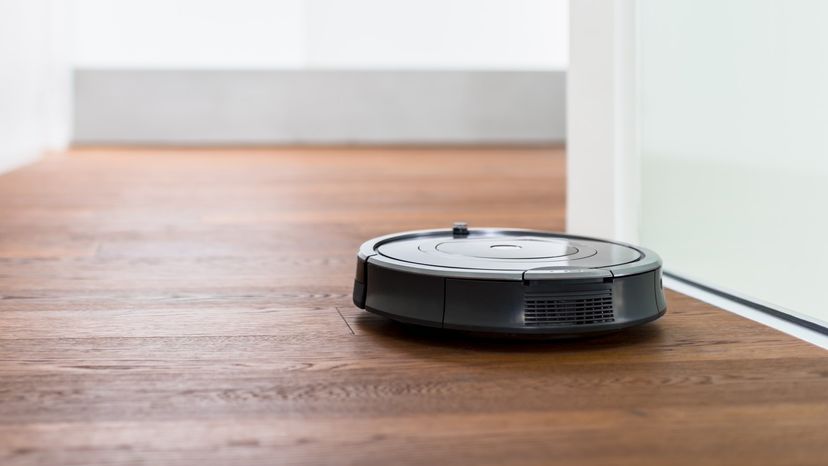
Somewhere in Washington, a group of officials decided that the greatest threat to American national security wasn’t cyberwarfare, foreign propaganda, or even the usual parade of apps quietly siphoning off personal data. No, the new enemy of the state is your robot vacuum. According to the FCC’s sweeping new ban on “advanced robotic devices produced in foreign countries,” robot vacuums are now treated as potential spies. This means the same little disc-shaped creature that gets stuck under your couch, panics when it encounters a sock, and occasionally tries to eat your charging cable is apparently capable of espionage. If this is the future of intelligence gathering, the dust bunnies are doomed.
The idea that robot vacuums could “map your home” and send that data to foreign governments is presented as a dire threat. Yet, some consumers can attest to their vacuum not being able to remember where the coffee table legs are. If this is espionage, it’s espionage with a head injury. Yet the government insists this is serious business, and now only American-made robots will be allowed to roam freely across our floors. That means American companies get to sell vacuums that spy on you, but patriotically. Doesn’t that suck? Nothing says freedom like domestic surveillance with a flag decal.
But this is where the competition angle becomes impossible to ignore. The FCC’s rule requires that 65 percent of components be sourced in the United States for a robot to qualify for a waiver. That effectively excludes almost every major robot vacuum brand, not because they’re unsafe, but because they’re foreign. The result is a market where consumers suddenly have fewer choices, fewer price points, and fewer innovations to pick from. Instead of choosing the best robot vacuum, you’re choosing the most politically acceptable one. It’s a strange moment when you realize you no longer get to decide what country your vacuum’s loyalties lie with. The government has decided for you.
This is the part where humor gives way to a more uncomfortable truth. Robot vacuums, lawnmowers, and other household robots do collect data. They map homes, track movement patterns, and send usage information to cloud servers. But the idea that foreign robots are dangerous while American robots are safe is a political narrative, not a technological reality. American companies already collect enormous amounts of data, and American agencies such as the CIA, NSA, FBI, and ICE have long histories of accessing or requesting that data. Pretending that domestic robots are somehow immune to misuse is a convenient fiction.
The real issue isn’t nationality. It’s connectivity. Any device with sensors, cameras, microphones, or mapping capabilities can become a privacy risk. The country of origin doesn’t change that. If the government truly wanted to protect consumers, it would regulate data retention, cloud storage, analytics, and transparency. It would require companies to disclose what they collect, how long they keep it, and who they share it with. Instead, we got a ban that treats robot vacuums like undercover agents from a spy thriller.
This moment should spark a broader conversation about consumer robotics and privacy. Robots are entering homes, yards, warehouses, hospitals, and public spaces. They map, record, analyze, and optimize. They generate data that companies can monetize. The question isn’t whether foreign robots are spying on us. The question is why robots, foreign or domestic, have the ability to spy on us at all. If we’re going to regulate robotics, let’s regulate the right thing: data, not passports. And while we’re at it, let’s give consumers back the freedom to choose the robot vacuum that actually works best, regardless of which country it salutes.
When Your Vacuum Becomes a National Security Threat: Competition, Choice, and the Great Robot Loyalty Test